A great thread from "Menswear Guy" Derek Guy on the history of Neiman Marcus in Dallas.
The WSJ sums up the recent move to make AI agents cuddlier:
The aim is to make the AI assistants now writing code, crawling the internet and booking appointments on our behalf a little more approachable, distinct and trustworthy. If the Jolly Green Giant could get kids to eat their vegetables, perhaps a sweet anthropomorphic triangle can win over AI skeptics.
 Tech Companies Roll Out Cuddly Mascots to Ease AI Anxietywsj.comMeta, OpenAI and others are associating their AI agents and tools with cute characters to win over skeptics.
Video: Amazon's 'dystopian' smart glasses

The Guardian reviews Nathan Fielder's bizarro new Elizabeth Holmes documentary:
Those who were there can confirm: the hype is deserved. You Can See Everything is, somehow, more shocking, twistier, thornier and revealing than billed – a stupefying and gloriously destabilizing hall of psychological mirrors, a thrilling once-in-a-lifetime collision of director and subject.
 You Can See Everything review – Nathan Fielder’s Elizabeth Holmes doc is a modern masterpiece of deceittheguardian.comNo spoilers here – TV’s grand illusionist meets his match when he moves in with Theranos founder and her family
We’re the only major country in the world losing visitation. It’s mind-boggling.
 Decline in tourism hits US economysemafor.comOverseas visitors to the US are on track to drop by almost two million year-on-year.
New York's common sense click-to-cancel rule goes into effect today. What will be worth watching is whether major websites, for simplicity's sake, roll-out any changes nationwide. If they do, it's given former FTC chair Lina Khan, now part of Zohran Mamdani's team, a long-awaited win on this issue.
Click to Cancel - nyc.govnyc.govThe “Click to Cancel” rule means:
- Companies must clearly explain subscription terms to you
- Companies must clearly disclose consumers’ rights when buying or cancelling subscriptions
- Companies must provide you with a straightforward cancellation process in the same method as sign up.
- Companies cannot ask that you pay to ship them things they gave you for free.
The transformation of SCOTUSblog from an indispensable Supreme Court resource to a platform for Fortune 500 companies to praise the justices’ balls-and-strikes bona fides has grim implications for the future of legal journalism, a field that is already in dire straits.
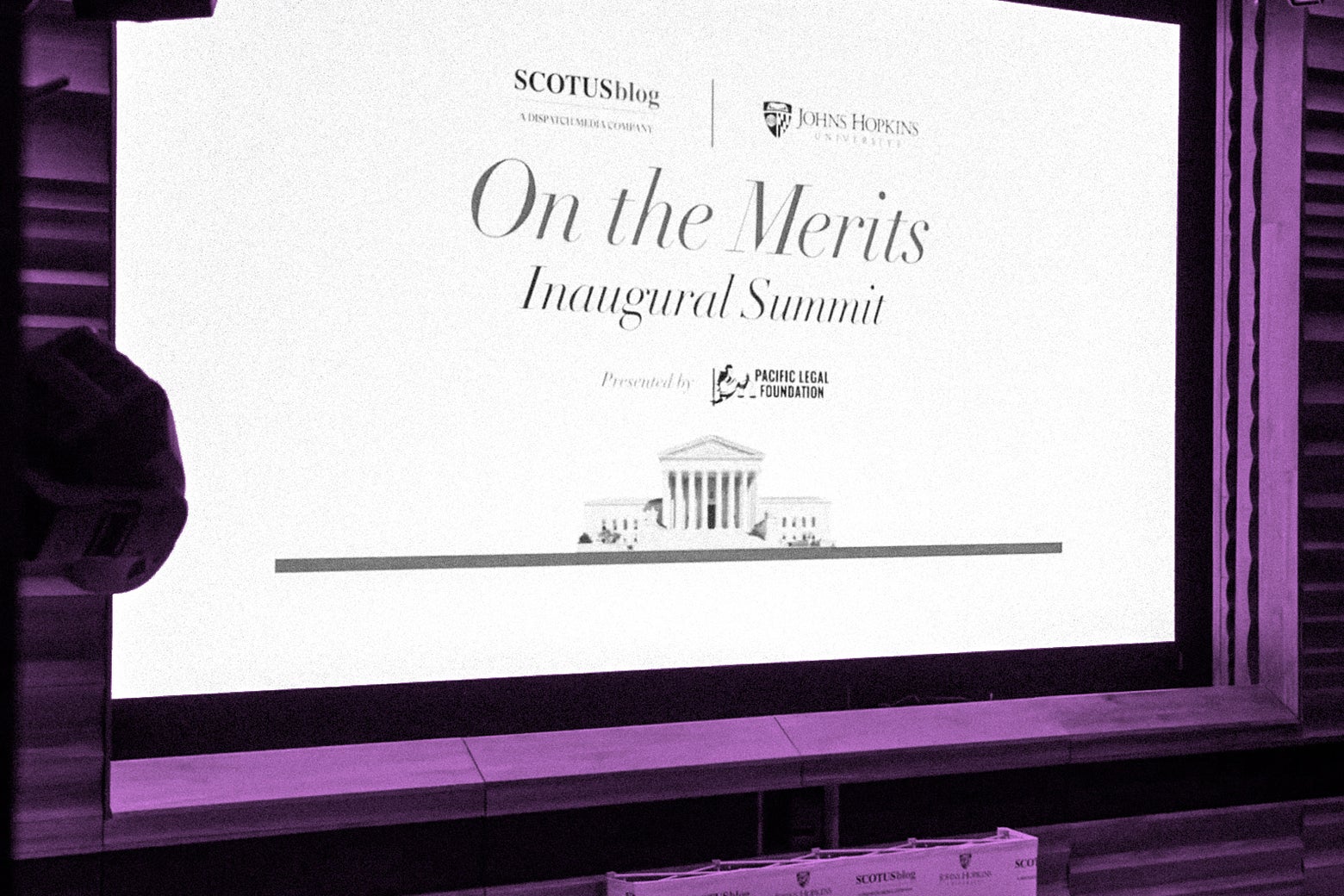 It Was the Essential Home of Supreme Court News. Now It’s a Joke. What Happened?slate.comHow high-stakes poker brought down a pillar of Supreme Court coverage.
NBC News on price manipulations by Stubhub. The ticket reselling service denied using personal data to set prices, but did say it was carrying out price "experiments." Consumers are in for a rough ride.
The big differences came from the fees StubHub added. One person was charged $72 in fees, while another was charged nearly twice as much, $134.
When the volunteers looked up the same ticket using incognito mode in Google’s Chrome web browser, a private session that doesn’t use cookies, saved logins or site storage, the price discrepancy declined to $19 between the highest- and lowest-priced ticket. When they checked on StubHub’s phone app without being logged in, almost everybody saw the same price, with the exception of just one person who would have been charged $3 more.
 For the same ticket on StubHub, different prices for different peoplenbcnews.comNBC News volunteers saw eight different prices for the exact same Harry Styles ticket on StubHub. The company said it’s running random price experiments.
The cache of leaked emails and documents that would eventually lead to the crisis in which Manchester City are now embroiled was published by Der Spiegel in 2018, and often it was the tone of the club’s communications that was as startling as their content. Of City chairman Khaldoon al-Mubarak, a trusted adviser to the royal family of the United Arab Emirates, it was said that he would “rather spend 30 million on the 50 best lawyers in the world to sue [Uefa] for the next 10 years” than accept a fine.
In the same tranche of documents, City lawyer Simon Cliff asserts that “Uefa doesn’t respond to anything other than aggression”, and threatens the governing body of European football – who were pursuing City over alleged financial irregularities at the time – with “the destruction of their rules and organisation”.
All of which feels like a rather extreme way of ensuring that your football club has the right to sign Jack Rodwell from Everton.
 The Manchester City case shows us how the global mega-rich now expect to operate with impunity | Jonathan Liewtheguardian.comWhen transnational alliances have scarcely been weaker, the way the club was allegedly run offers a bleak vision of a world driven by brute power and wealth, says Guardian columnist Jonathan Liew
An investigation – in collaboration with the Bureau of Investigative Journalism – shows recent attempts by police to probe SpacexAI over sexualised deepfakes generated by its chatbot Grok have been abandoned, after requests for information were ignored by the company.
 The women taking on the tech giants over deepfakes and di...observer.co.ukUnder new legal rules companies like TikTok could face big fines for failing to take down illegal intimate images. Yet victims say police are still finding it difficult to act
Bullard is not the first to notice the isolating effect of many innovations, nor is it just modern conveniences that take us away from other people. Against Convenience references a famous Kurt Vonnegut anecdote in which the author ignores his wife’s advice to keep a box of envelopes at home and goes out shopping every time he needs a single one. On the way, he meets people, he enjoys the scenery of the neighborhood, and he has “one hell of a good time.” “We are dancing animals,” Vonnegut wrote. “How beautiful it is to get up and go out and do something.” But sacrifices are inevitable when we pursue convenience. Many of these exchanges are clearly worth it—I keep a box of envelopes at home—but Bullard convincingly argues that the costs of convenience, social and otherwise, have crossed a worrisome threshold in the 21st century.
 Convenience Is Lonelytheatlantic.comFar too many innovations keep us from other people.
Recently, Gary’s buddies requested he not mention Palantir on their nights out together so as to not tank the whole group’s chances of getting laid.
 Why No One Wants to Date Tech Broswired.comOnce seen as nerdy but harmless innovators, men in tech are now widely regarded as red-pilled Elon Musk wannabes. It’s made getting laid a whole lot harder.
Young kids not able to use social media have, as critics warned us, been pushed to the darkest extremes of the internet: The comment section of an NPR podcast.
(The episode is here.)
Gordon Brown's reputation as an "elder statesman" of the Labour Party obscures the obvious fact he is very much in-touch with today's problems. His ideas are as progressive and modern as anything we're hearing from western leaders today. (Besides, he's almost five years younger than Trump.)
What if we just stopped?
What if we stopped plugging our selves into the machines, stopped performing (wittingly and unwittingly) for the algorithm, stopped letting bots bait us, stopped all of it and figured out new ways—our ways—to do things again.
Because there has to be a better way of connecting and sharing and existing together, a way that isn't locked into the exploitative doom loops and psychic death of what we currently have. A way that's built around humans again, not around algorithms. A way that values connection instead of confrontation.
 What If We Just Stopped? | dansinker.comdansinker.com