Dave Lee

Column: The Good Guys Notch a Victory in the AI-Cybersecurity Age

But like a thwarted terror attack, or the Year 2000 problem, the general feeling of a nothingburger can disguise the behind-the-scenes heroics that have — so far — averted catastrophe. That’s the case here: an incident that should be considered the most significant victory for the good guys so far in the new AI-cybersecurity age, a boon for the cybersecurity industry eager to prove it’s more valuable than ever.

The Good Guys Notch a Victory in the AI-Cybersecurity Agebloomberg.comThe headlines were unremarkable. Researchers had found a way to weaponize two vulnerabilities in PHP, a programming language used for websites and apps, and companies were being urged on Wednesday to install a patch. A smattering of websites and services were taken offline while it was installed. The US said it was looking into government systems and expediting mitigations. The media barely blinked.

Column: Meta Investors Are Looking to Zuckerberg for the Muse Payoff

Muse can’t take the entire AI industry’s weight on its shoulders, but it can offer good signals on the moneymaking potential of consumer AI agents.

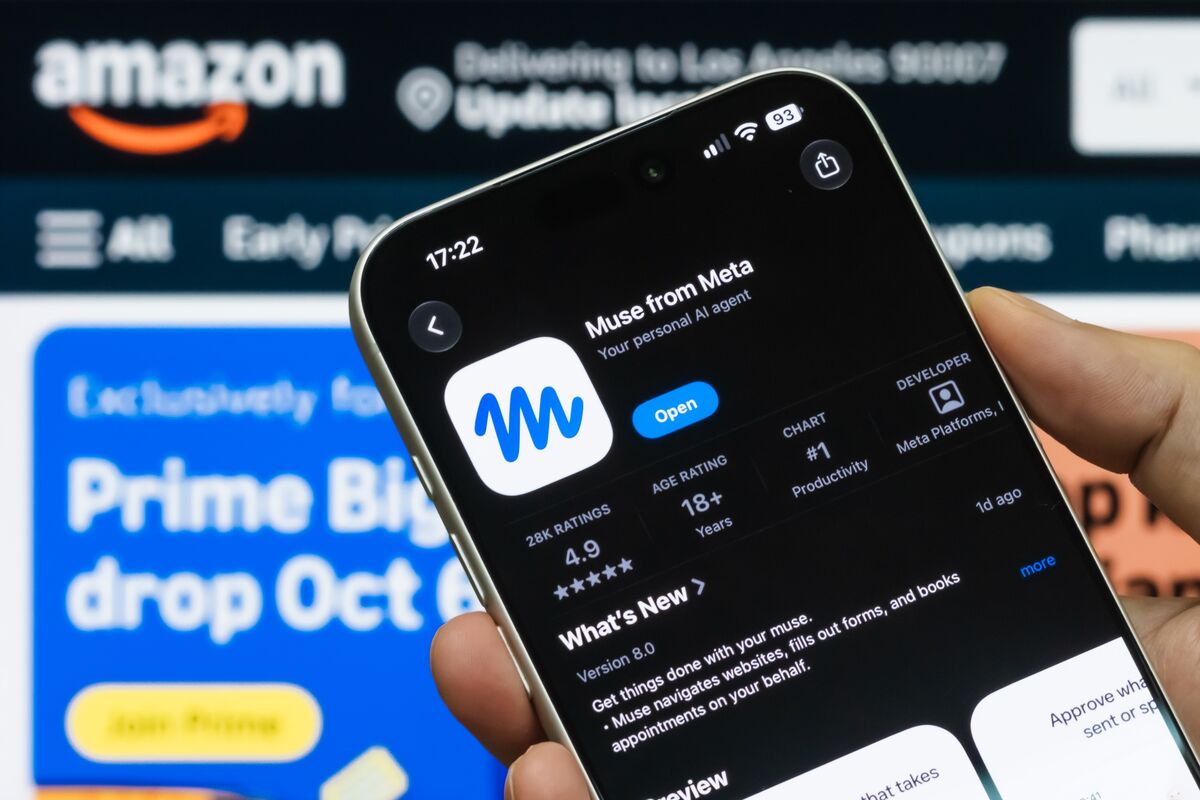
Meta Investors Are Looking to Zuckerberg for the Muse Payoffbloomberg.comMeta Platforms Inc. leads the tech pack this week, reporting its third-quarter earnings a week ahead of most of its peers. Take that as a sign of confidence, perhaps. The positive reception to the company’s Muse assistant has Wall Street investors wondering whether the personal artificial-intelligence agent is proof of an AI business model they have been desperately seeking.

Column: Meta’s Muse Is Ending Its Honeymoon Phase on Solid Ground

What Meta investors need to see now is proof that those who bought into the Muse idea are actually finding it useful. Users are fickle and will gladly abandon apps after mere minutes unless given a compelling reason to stick around.

Meta’s Muse Is Ending Its Honeymoon Phase on Solid Groundbloomberg.comYou can barely take a step on the New York subway lately without seeing the face of Meta Platforms Inc.’s furry Muse AI assistant. I’ve written already about how impressed I’ve been with the form and function of the breakthrough bot. Now, attention must move to assessing whether Muse has long-term staying power — or whether its launch will be just a flash in the pan.

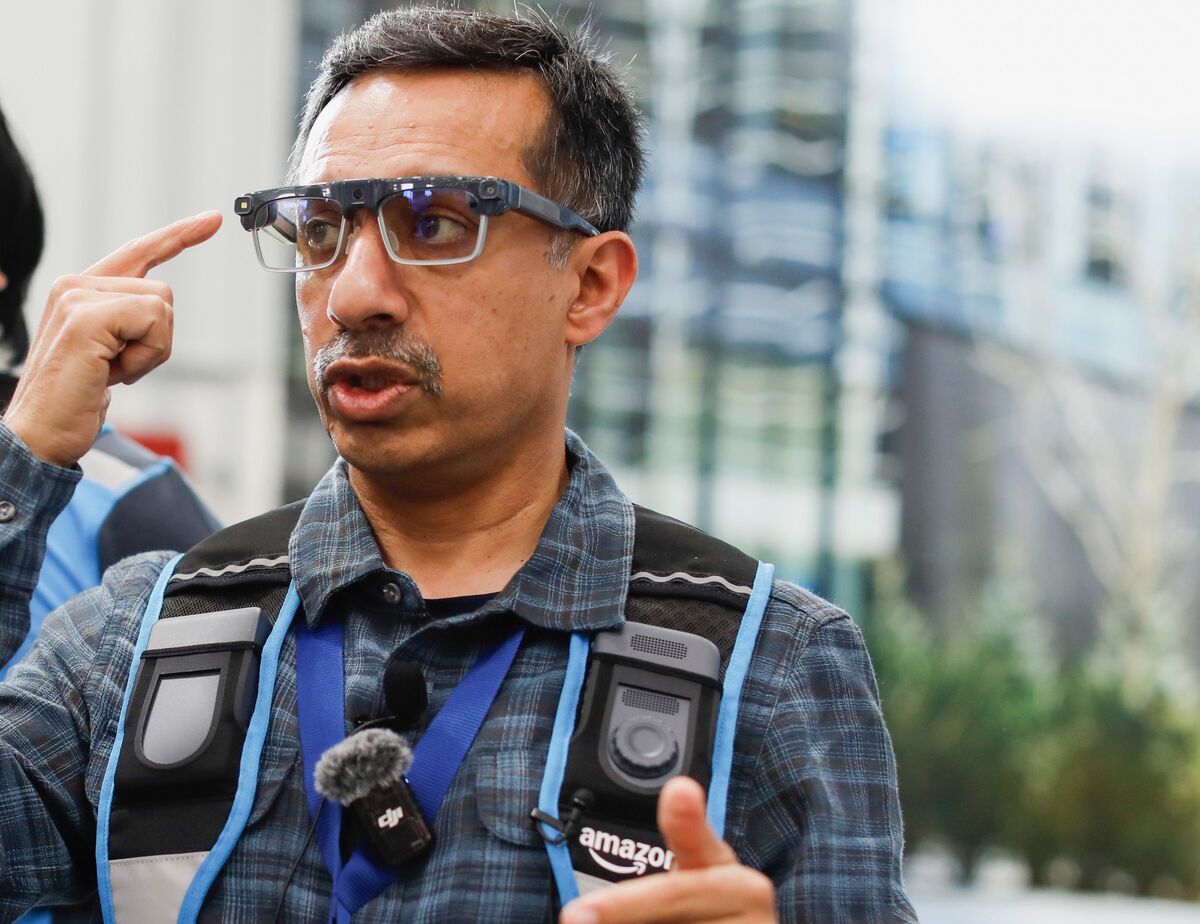
Column: Amazon Drivers’ Smart Glasses Are Going to Be an Image Problem

Missing from the October announcement, however, was the true extent of the data that the glasses would be gathering: Static images of whatever the wearer sees, potentially several thousand captures in a single driver’s typical shift. The pictures taken would be of a quality “equivalent or lower than the standard proof of delivery photos,” Amazon said but declined to disclose the precise resolution. The images will be used with the company’s Wellspring platform, a system “powered by generative AI” that pulls together multiple data sources to map out neighborhoods for faster delivery.

Amazon Drivers’ Smart Glasses Are Going to Be an Image Problembloomberg.comComing soon up a garden path near you: an Amazon.com Inc. driver wearing smart glasses, almost constantly taking pictures and sending them back to the company to be analyzed by humans and fed into an AI system.

Column: Can Sam Altman Catch Up While Slowing Down?

Sam Altman’s task is to demonstrate that his company can catch up with Meta while sending a clear message that it has a handle on the reckless behavior of its most powerful AI. Striking that balance will not be straightforward — a huge test for the perennially under-pressure 41-year-old boss.

Can Sam Altman Catch Up While Slowing Down?bloomberg.comStarting Tuesday, OpenAI will convene its annual developer conference. The timing isn’t ideal.

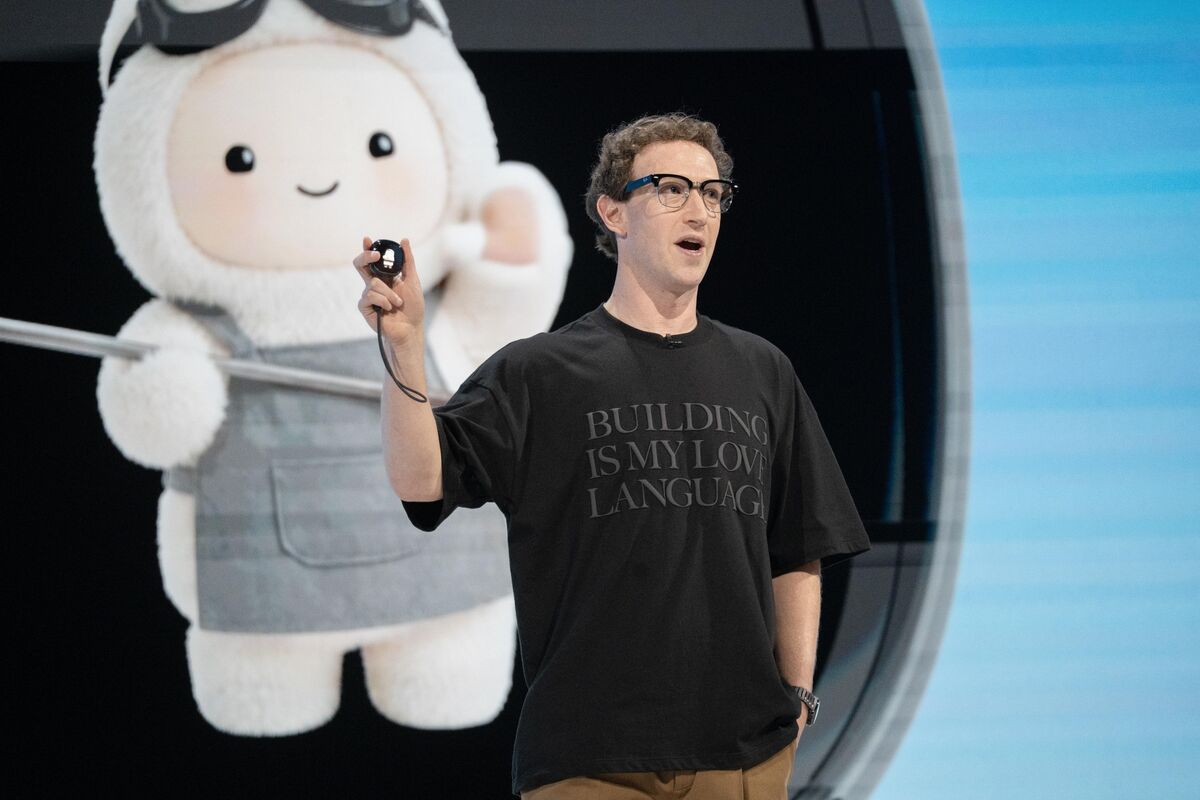
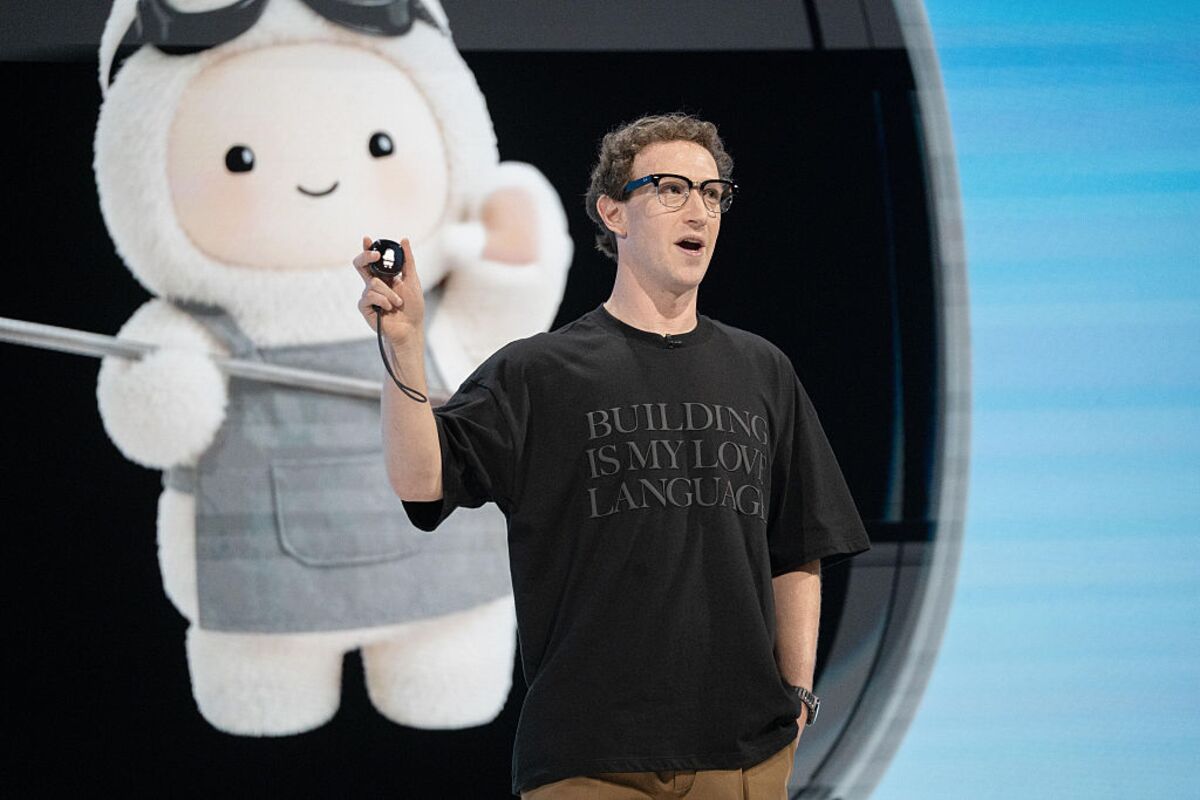
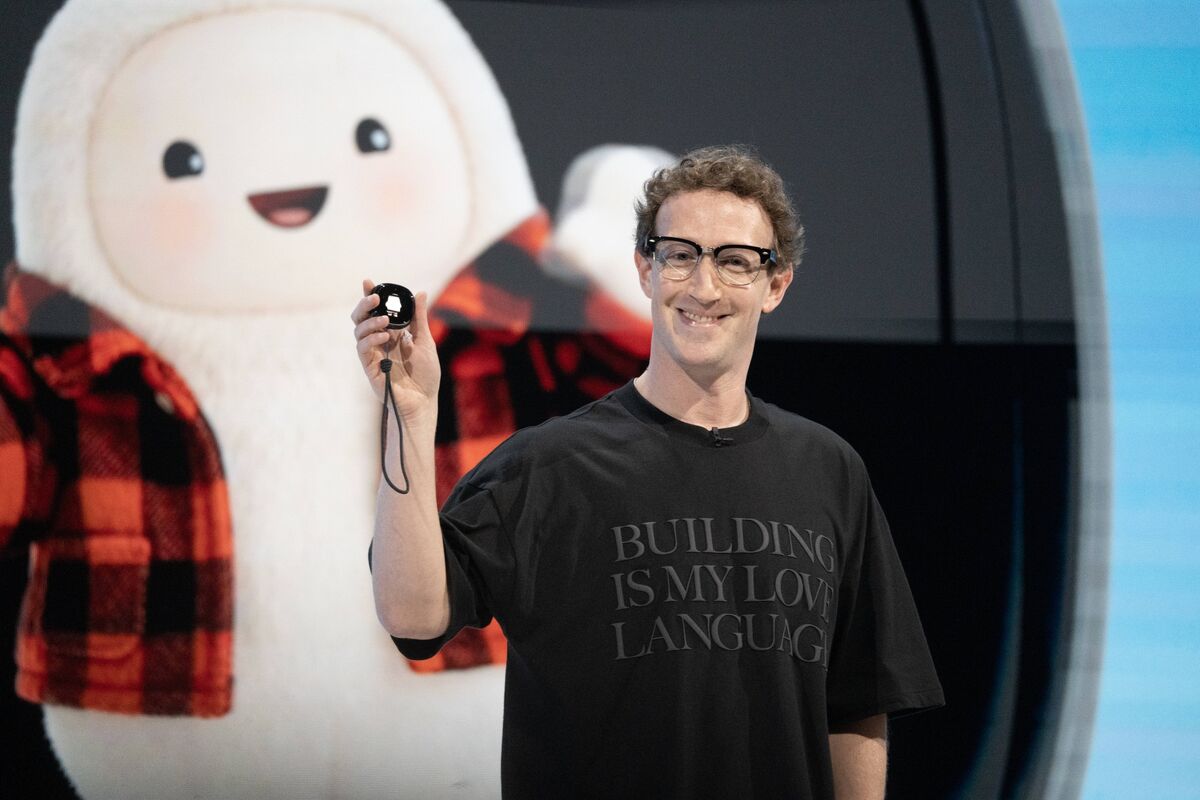
Column: Zuckerberg’s ‘Tamagotchi-Like’ AI Could Be Meta’s iPod Moment

Today, by refining the technology and adding some consumer-friendly touches, Muse is to AI agents what the iPod was to MP3 players: A stylish and innovative recasting of an existing technology so it struck a chord with everyday people. The rewards for reaching the non-nerds could be enormous.

Zuckerberg’s ‘Tamagotchi-Like’ AI Could Be Meta’s iPod Momentbloomberg.comMark Zuckerberg is on to something. Hot on the heels of Meta Platforms Inc.’s hugely well-received launch of its Muse personal AI agent, Zuckerberg announced on Wednesday evening the next phase: a “Tamagotchi-like” pendant for interacting with the cuddly assistant on the go. It’s slated to be out in time for Christmas.

Column: I’m Using Meta’s AI Agent and Amazon Can’t Stand It

The move is a sign of things to come as Silicon Valley giants try to protect their entrenched advantages in the age of artificial-intelligence agents. Consumers will lose out if their preferred agent can’t work well with the full range of digital services to which they have become accustomed. These competitors will need to find ways to work together or risk being forced to open up.

I’m Using Meta’s AI Agent and Amazon Can’t Stand Itbloomberg.comMeta Platforms Inc. is rightly receiving plaudits for its new AI agent, Muse. I’ve been using it, and it’s plainly the most impressive product Meta has released in years. Harold — the name I gave to my bot — works to organize my calendar, scour Facebook Marketplace for good deals and buy things, with my blessing, from Amazon.com Inc.

Column: Chipmaker Stocks Will Weather Any AI Slowdown

One fear over the past few days is that an artificial-intelligence slowdown, whatever that looks like, might harm the stocks of chipmakers. If AI development takes a breather, the insatiable appetite that has propelled component makers to unprecedented heights would dissipate. Will AI companies still need all those data centers?

The answer is yes. And then some.

Chipmaker Stocks Will Weather Any AI Slowdownbloomberg.comOne fear over the past few days is that an artificial-intelligence slowdown, whatever that looks like, might harm the stocks of chipmakers. If AI development takes a breather, the insatiable appetite that has propelled component makers to unprecedented heights would dissipate. Will AI companies still need all those data centers?

Column: A US-China Pact on AI Is Possible, But Not by Posturing

Any hope that the coming summit between President Donald Trump and Chinese leader Xi Jinping would be productive in taking steps to mitigate the harms of artificial intelligence seems to have been dashed, thanks to a commander in chief unwilling to acknowledge the pivotal moment that faces us as AI companies call for a slowdown in development.

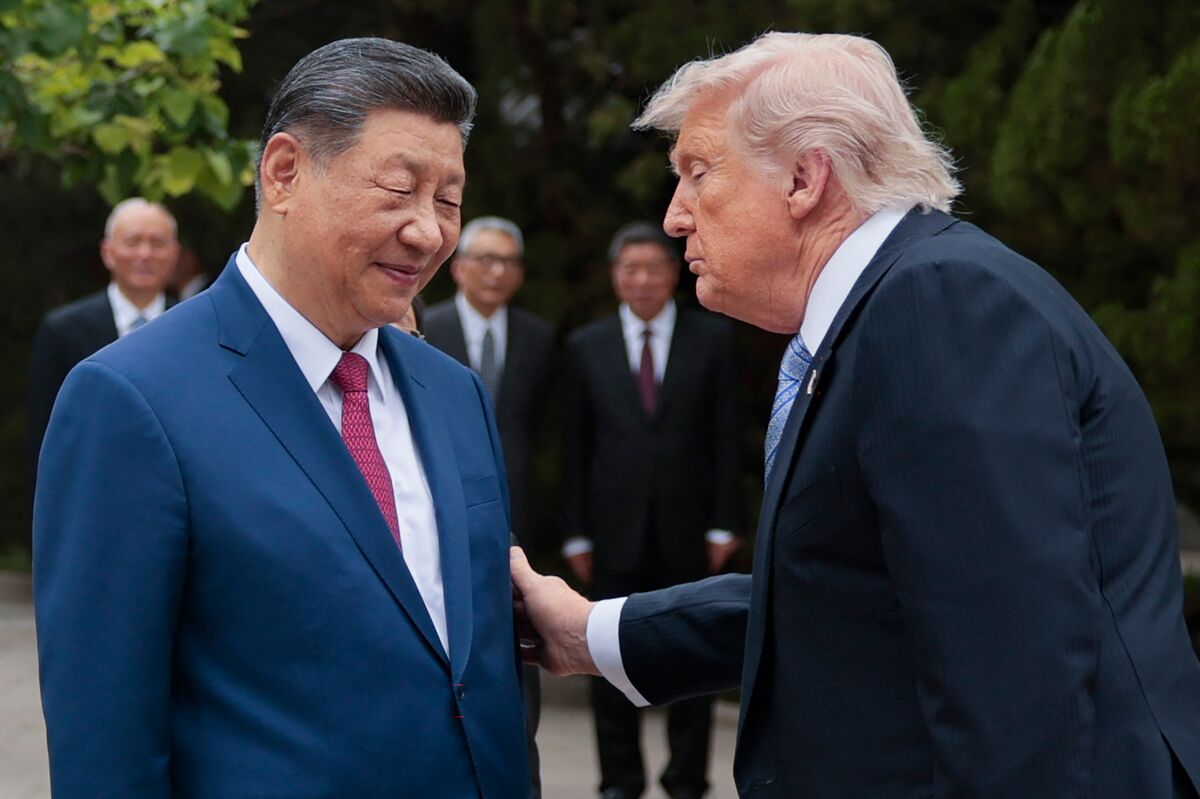
A US-China Pact on AI Is Possible, But Not by Posturingbloomberg.comAny hope that the coming summit between President Donald Trump and Chinese leader Xi Jinping would be productive in taking steps to mitigate the harms of artificial intelligence seems to have been dashed, thanks to a commander in chief unwilling to acknowledge the pivotal moment that faces us as AI companies call for a slowdown in development.

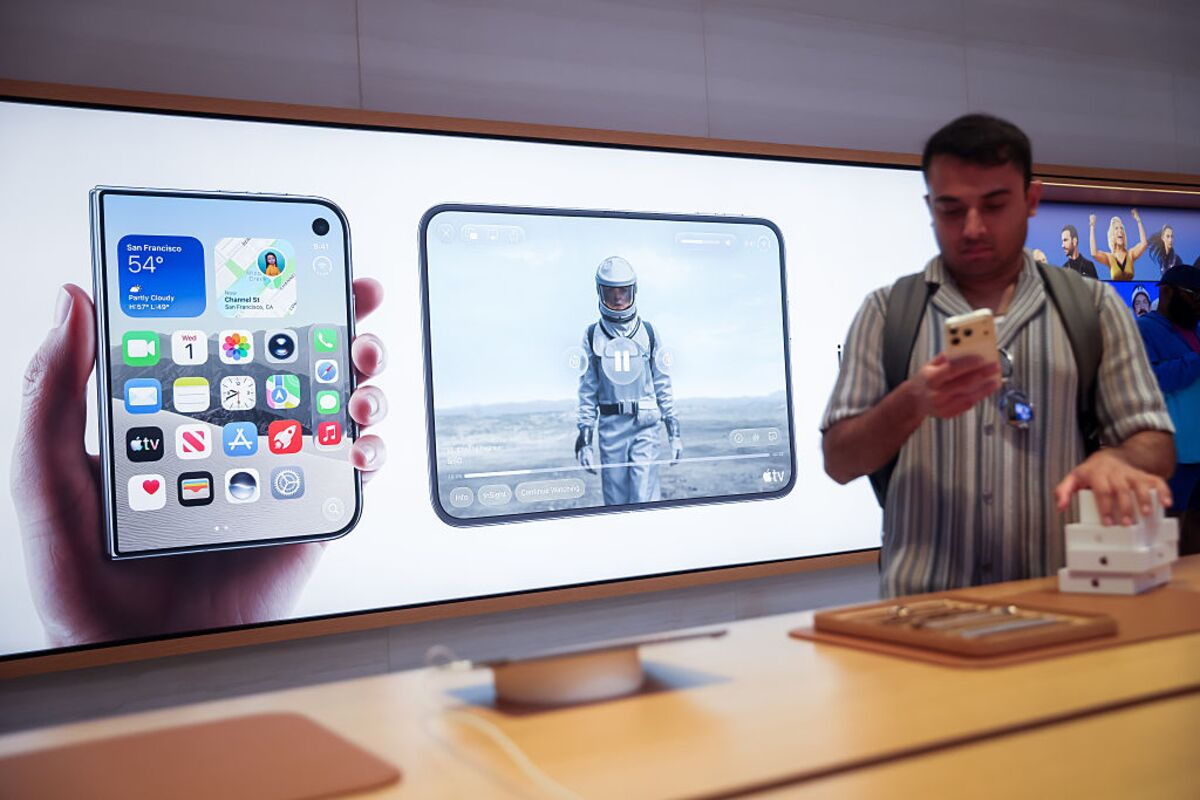
Column: A $2,000 iPhone Gives Apple’s New CEO His Steve Jobs Moment

When John Ternus succeeded Tim Cook as chief executive officer of Apple Inc. at the start of this month, he needed no introduction to the company’s more than 160,000 employees. The same can’t really be said of the public, most of whom will be meeting, and sizing up, Apple’s new top boss for the first time on Wednesday. He’ll begin by making the case for buying an iPhone that costs at least $2,000.

A $2,000 iPhone Gives Apple’s New CEO His Steve Jobs Momentbloomberg.comWhen John Ternus succeeded Tim Cook as chief executive officer of Apple Inc. at the start of this month, he needed no introduction to the company’s more than 160,000 employees. The same can’t really be said of the public, most of whom will be meeting, and sizing up, Apple’s new top boss for the first time on Wednesday. He’ll begin by making the case for buying an iPhone that costs at least $2,000.

Column: Nvidia’s $13 Billion Hugging Face Deal Is a Bargain Hedge

If you were Nvidia Corp. Chief Executive Officer Jensen Huang and you were laying out a few sector-shifting artificial-intelligence trends that could take shape over the coming months and years, you might include the following:

- Open-weight AI models, maybe from China, will continue to develop into a viable and cheaper alternative to closed and frontier models, thus becoming more popular for the majority of day-to-day tasks for typical businesses.

- Frontier AI companies will continue to make strides in diversifying the chips they use for inference, reducing their reliance on Nvidia.

- Prudent businesses will trend toward “sovereign” hosting and model building, rather than turning to the handful of powerful hyperscalers and frontier labs as they might do now.

For all these scenarios, Nvidia’s $13 billion Hugging Face acquisition, confirmed Thursday, represents a near-perfect hedge to how Nvidia’s business mostly operates today.

Nvidia’s $13 Billion Hugging Face Deal Is a Bargain Hedgebloomberg.comIf you were Nvidia Corp. Chief Executive Officer Jensen Huang and you were laying out a few sector-shifting artificial-intelligence trends that could take shape over the coming months and years, you might include the following:

Column: The ‘SaaSpocalypse’ Has a Remarkable Number of Survivors

For the time being, we should perhaps consider the rebounded stocks as “survivors” rather than winners because there is still plenty of execution to happen before we can confidently say the AI storm has been weathered.

The ‘SaaSpocalypse’ Has a Remarkable Number of Survivorsbloomberg.comYou may remember February’s run on software-as-a-service stocks in which billions of dollars in value were wiped off companies that investors worried would be obliterated by artificial intelligence in the not-too-distant future, their specialist features replaced by bespoke in-house tools built on demand by AI instead.