Column: Apple’s Next CEO Ternus Inherits a Bold Gamble on Hardware
In announcing on Monday that John Ternus would be succeeding Tim Cook as chief executive officer of Apple Inc. this year, the company’s board made it clear: We’re a hardware company and we’re going with the hardware guy. It’s a mission statement that bears repeating in 2026, the year of Apple’s 50th anniversary and now one that the company and its legions of fans hope will feature a smooth leadership transition. Ternus, who joined Apple in 2001 and rose through the ranks to become senior vice president of hardware engineering in 2021, will take over a company in fine strength but facing looming questions about how it shifts to the new computing paradigm of AI.
Apple’s Next CEO Ternus Inherits a Bold Gamble on Hardware · bloomberg.comColumn: Meta’s Victory Lap Over Google on Ads Will Be Short
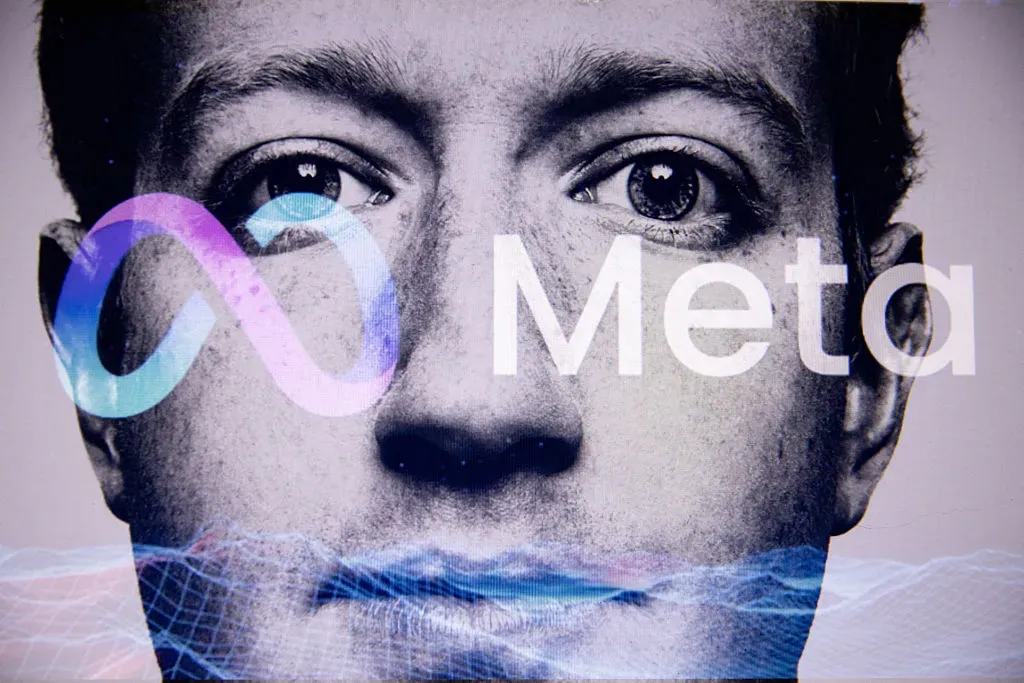
But there’s a big problem. In his push to monetize Instagram and then compete with TikTok and YouTube, Zuckerberg all but abandoned his apps’ utility as products that consumers use to manage or celebrate their lives. People no longer use Facebook to organize their parties, nor post the pictures the morning after. They don’t use it to find new friends and post on their “wall.” Gen Z doesn’t hang out in Facebook groups for their favorite interests. Nobody even cares about the “relationship status” field anymore. Everything that made Meta’s products truly personal has long left the building. Instead, they’ve become content portals, the digital equivalent of trashy daytime TV — a time suck many people are starting to turn their backs on, recognizing it as “brain rot,” while regulators and courtrooms worldwide are starting to move decisively on limiting addictiveness and access for young people.
Meta’s Victory Lap Over Google on Ads Will Be Short · bloomberg.comColumn: To Make a Tech Unicorn, Mix a Few Workers With Some AI Hype
The trajectory is clear: Unicorn headcounts are shrinking, according to new data from PitchBook. Yet whether this can be attributed to the vaunted productivity gains of AI is a more complex question. The sales pitch is this: AI’s great promise, as far as startups are concerned, is that it should enable more to be achieved with fewer people. Each software engineer can crank out more code than previously possible, while other operational roles might be replaced, or at least augmented, with chatbots or similar technologies.
To Make a Tech Unicorn, Mix a Few Workers With Some AI Hype · bloomberg.comColumn: US Cybersecurity Cutbacks Come at Exactly the Wrong Time
The funding document accuses CISA of having been “more focused on censorship than on protecting the Nation’s critical systems.” The budget seeks to eliminate offices that were “used as a key hub in the Censorship Industrial Complex” and to “target the President.” CISA has already been hollowed out. Jen Easterly, the last Senate-confirmed head of the agency, who departed when President Donald Trump returned, said at a conference that staff members were being culled with a “mandate for loyalty to a person over loyalty to the Constitution of the United States of America.” The agency has been without a Senate-confirmed leader since Trump took office.
US Cybersecurity Cutbacks Come at Exactly the Wrong Time · bloomberg.comColumn: Altman Is His Own Risk Factor in OpenAI’s Mega-IPO
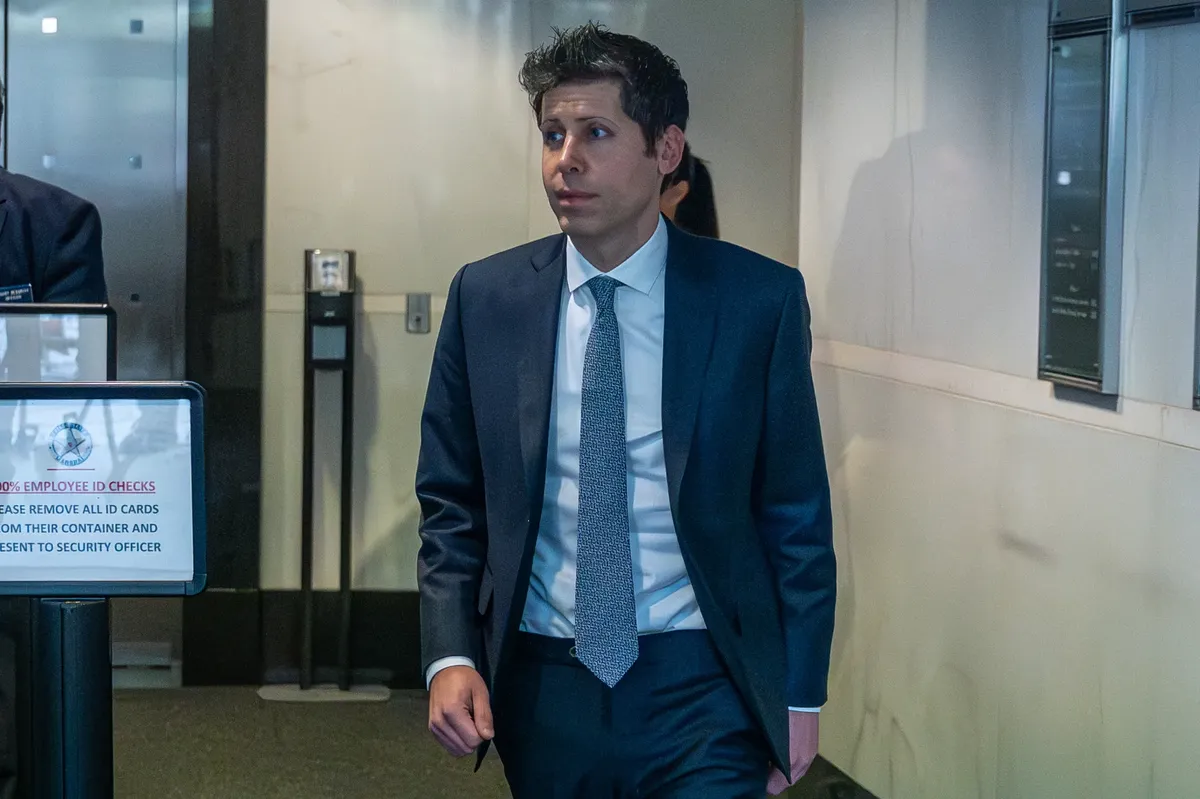
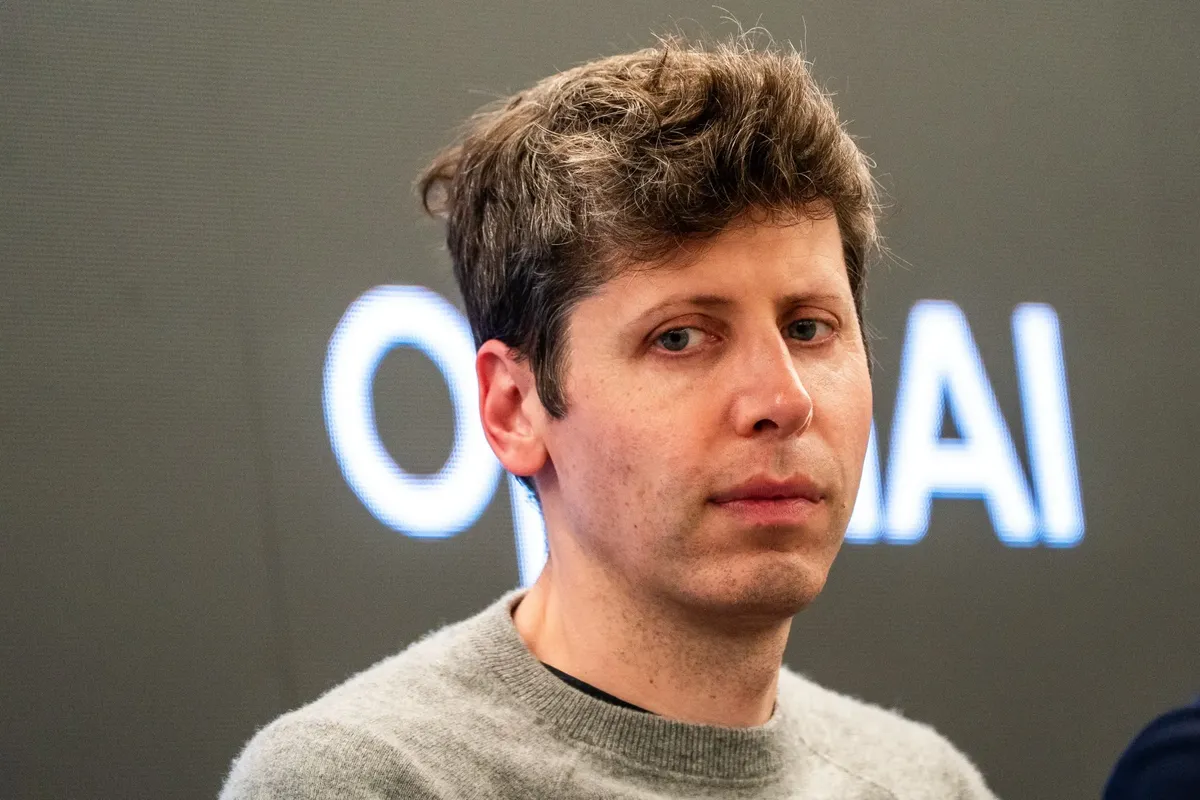
Altman's hard-charging approach is a poor fit for a technology that stands to cause so much disruption. Core to the complaints of his critics is that Altman's competitive impulses have pushed safety concerns to the sidelines. Promises to generously support "superalignment" teams -- those tasked to make sure the AI acts in a way that's complimentary to humanity's aims — turned out to be hollow. A white paper published by the company on Monday, alongside The New Yorker article, seemed timed to counteract these fears, but it won't come close to settling them.
Altman Is His Own Risk Factor in OpenAI’s Mega-IPO · bloomberg.comColumn: The FCC’s Router Ban Is the Wrong Tool for the Right Goal
Sometimes it’s possible to agree on a goal but disagree on how to get there. Such is the case with the Federal Communications Commission’s recent surprise ban on all foreign-made home routers — a blow using a blunt instrument that will inflict unnecessary trauma on the industry and most likely lead to higher prices for consumers.
The FCC’s Router Ban Is the Wrong Tool for the Right Goal · bloomberg.comColumn: Meta and Google’s Addiction Verdict Turns the Social Media Tide
It’s too early to say whether these cases are, in Lanier’s words outside court, “a referendum — from a jury to an entire industry — that accountability has arrived.” But if we can’t yet say it has arrived, it is certainly banging hard on the door. For the first time, these cases have leveled the playing field, one that the lobbyists who have scuttled hopes of effective policymaking could not tilt.
Meta and Google’s Addiction Verdict Turns the Social Media Tide · bloomberg.comColumn: The White House’s AI Plan Is Anything But
The White House has concepts of a plan on artificial intelligence. They were unveiled on Friday in the administration’s National Policy Framework for AI, a “road map” to legislation, Republican House leaders said, designed to help the US “beat” China and help protect children. In reality, it’s a blueprint for AI companies to carry on with business as usual.
The White House’s AI Plan Is Anything But · bloomberg.comColumn: Anthropic Isn’t Exaggerating About an AI Panopticon
In the debate about the military’s use of artificial intelligence, prompted by Anthropic’s dispute with the Pentagon that’s now headed to the courts, much has been said about the concerns related to autonomous killing. Less examined has been the AI company’s second point of contention: how AI might be used to conduct mass surveillance on Americans. A recent study offers a glimpse at the root of the company’s well-justified trepidation.
Anthropic Isn’t Exaggerating About an AI Panopticon · bloomberg.comColumn: Why Apple Decided the Time Was Right for a $599 MacBook
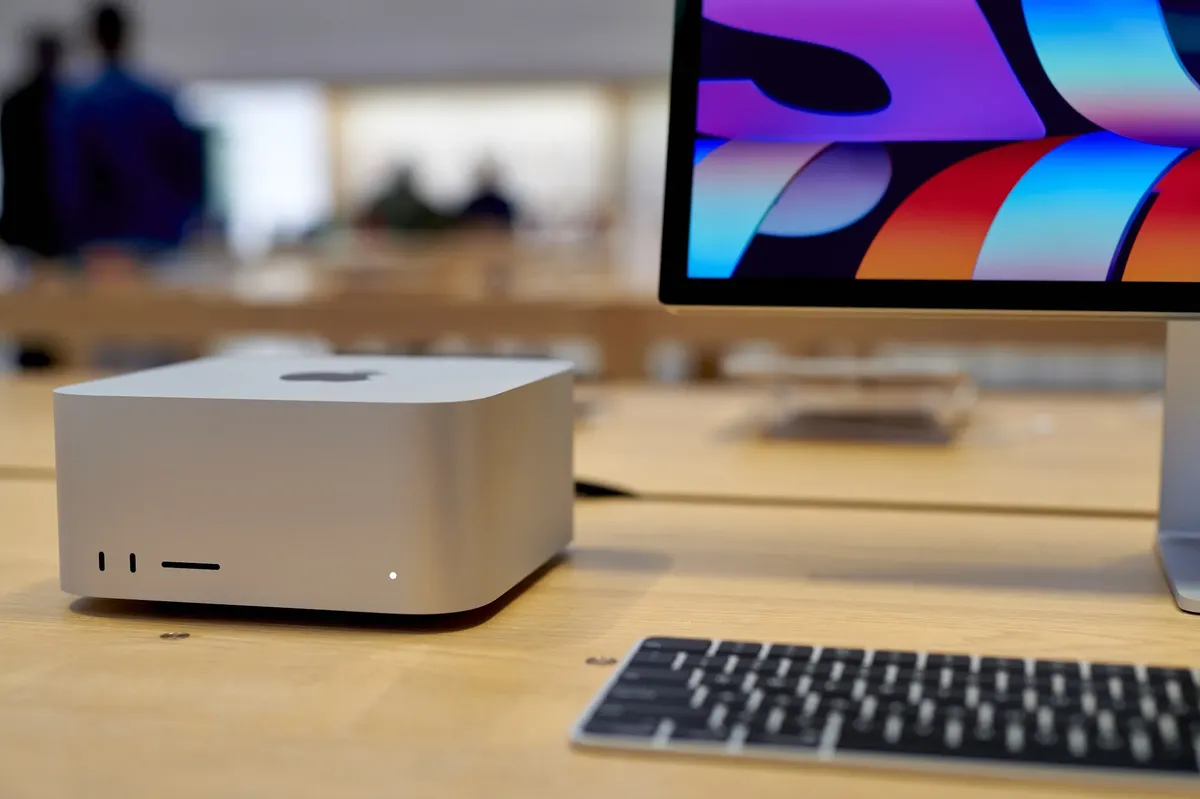
Apple’s strategy seems quite straightforward: A cheaper laptop puts it in direct competition with Google’s Chromebook, now a mainstay of classrooms globally, plus a whole universe of Windows-powered laptops. It could lock in the next generation of Apple laptop users. Yet Apple could have justifiably made that kind of move at any point in the Chromebook’s almost 15 years on the market. Instead, Apple stayed firm to its premium reputation and price point. A confluence of reasons made 2026 the right time for a cheaper MacBook.
Why Apple Decided the Time Was Right for a $599 MacBook · bloomberg.comColumn: Sam Altman’s Sloppiness Works in Anthropic’s Favor
On Monday, OpenAI Chief Executive Officer Sam Altman, facing pressure internally and out for the deal he reached with the Pentagon to supplant rival Anthropic, conceded he may have rushed into the agreement and was looking to make some amendments. In a memo to staff that Altman subsequently shared on X, his half-baked thinking was on full display. Reading between the lines, Altman appears to be aware he made a severe miscalculation.
Sam Altman’s Sloppiness Works in Anthropic’s Favor · bloomberg.comVideo: Sam Altman's Sloppy Mistake
Column: OpenAI Steps Over a Red Line Anthropic Refused to Cross
After announcing a sudden and surprising deal with the Pentagon, OpenAI co-founder Sam Altman moved quickly this weekend to show he had won meaningful concessions from military leaders. He hadn’t. Whether through naivete or disregard, Altman has quickly leaped over the ethical and practical red lines that his company’s rival, Anthropic, wasn’t prepared to cross.
OpenAI Steps Over a Red Line Anthropic Refused to Cross · bloomberg.comTV: Anthropic In a Lose-Lose Situation, Opinion's Lee Says
Speaking on Bloomberg TV on Anthropic's tussle with the Pentagon over use of its AI models for war.